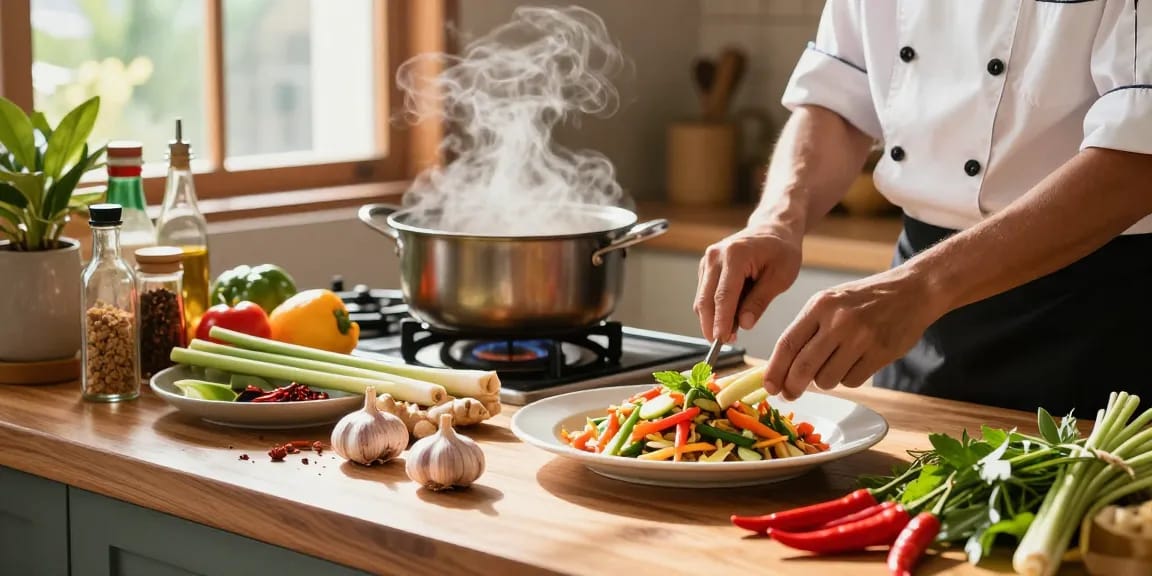
Understanding the Role of Ingredients in Thai Cooking
Thai cuisine is celebrated for its bold flavors and vibrant ingredients, each playing a unique role in creating the balance that defines this culinary art. Understanding the role of key ingredients like ginger and lemongrass not only elevates your cooking but also contributes to your health. When exploring options, สล็อต provides comprehensive insights into the nutritional benefits of these staples, ensuring you make informed choices in your culinary adventures.
What Makes Ginger Essential in Thai Cuisine?
Ginger, with its spicy and aromatic profile, is one of the quintessential ingredients in Thai cooking. It serves not only to flavor but also to enhance the health benefits of various dishes. Renowned for its anti-inflammatory and antioxidant properties, ginger is frequently used in soups, curries, and stir-fries. In addition to its culinary uses, ginger has been linked to improved digestion and nausea reduction, making it a must-have in any kitchen. Whether you're making a traditional Tom Yum soup or a modern twist on a classic dish, the addition of fresh ginger can transform the taste experience.
The Benefits of Lemongrass in Cooking
Lemongrass is another aromatic herb that plays an integral role in Thai cuisine. Its unique citrus flavor not only enhances the taste of dishes but also offers numerous health benefits. Rich in vitamins A and C, lemongrass is known for its antibacterial and antifungal properties. It is often used in curries, marinades, and teas, providing a refreshing note that balances well with the earthy flavors of Thai dishes. Incorporating fresh lemongrass can not only uplift the flavor profile of your meals but also contribute positively to your overall well-being.
Leveraging Other Key Ingredients: A Complete Guide
Alongside ginger and lemongrass, Thailand's rich culinary heritage includes a variety of other essential ingredients such as Thai basil, kaffir lime leaves, and bird’s eye chili. Each of these ingredients offers unique flavors and benefits, enhancing the depth of Thai dishes. Thai basil, for instance, adds a sweet and slightly peppery note, while kaffir lime leaves infuse a distinct aroma that is a hallmark of many traditional recipes. Understanding how to leverage these ingredients can significantly improve your cooking and appreciation for the complex flavors of Thai cuisine.
Fundamental Techniques for Preparing Thai Dishes
Mastering the fundamental techniques of Thai cooking is essential for any aspiring chef. These techniques not only ensure that you replicate authentic flavors but also allow you to innovate and adapt recipes to suit your taste.
Preparing Fresh Ingredients: Tips for Chefs
Preparation is key in Thai cooking, where fresh ingredients shine. Always look for the freshest herbs, vegetables, and proteins. For ingredients like lemongrass and ginger, proper slicing enhances their flavors; thinly slice lemongrass to release its oils, and grate ginger for a more intense hit of spice. Additionally, maintaining an organized workspace helps in managing the diverse components typical of Thai recipes.
Cooking Techniques: Stir-Frying and Steaming
Two fundamental techniques in Thai cooking are stir-frying and steaming. Stir-frying allows for quick cooking at high heat, preserving the vibrant colors and nutritional values of vegetables. On the other hand, steaming is perfect for proteins like fish and chicken, keeping them moist and flavorful without added fats. Familiarizing yourself with these techniques can elevate your Thai dishes while maintaining their healthful qualities.
Mastering the Balance of Flavors in Thai Cooking
The hallmark of Thai cuisine is its perfect balance of flavors: sweet, sour, salty, and spicy. Mastering this balance is crucial for creating dishes that are not only delicious but also authentic. Use palm sugar to introduce sweetness, lime juice for sourness, fish sauce for saltiness, and bird’s eye chilies for heat. Experimenting with these elements will help you create a symphony of flavors in every dish.
Exploring Nutritional Benefits of Thai Ingredients
Beyond their delightful taste, many Thai ingredients provide substantial health benefits. Understanding these can elevate your meals from ordinary to extraordinary while also supporting your health.
Understanding the Health Benefits of Ginger
This versatile root is known for its ability to aid digestion, reduce inflammation, and even boost the immune system. Incorporating ginger into your diet may help mitigate the effects of nausea and muscle pain, making it a beneficial addition to your meals.
Lemongrass and Its Impact on Digestion
Lemongrass has been used traditionally to alleviate digestive issues such as bloating and constipation. Its high antioxidant content can also aid in detoxifying the body, enhancing digestive health and overall well-being.
Incorporating Vegetables and Proteins Effectively
Thai cuisine is rich in plant-based foods, with an emphasis on fresh vegetables and lean proteins. Incorporating a variety of colors in your vegetable choices not only makes your dish visually appealing but also ensures a wide spectrum of nutrients. Combine these with high-quality proteins like chicken or tofu to create balanced and nutritious meals.
Innovative Recipes to Try in 2026
As culinary trends evolve, blending traditional Thai recipes with modern techniques and ingredients can create exciting new dishes that honor the essence of Thai cuisine.
Classic Thai Dishes with a Modern Twist
Consider reimagining classic dishes like Pad Thai by using zucchini noodles instead of traditional rice noodles for a low-carb option. Or, experiment with a vegan version of Green Curry by using coconut milk and an array of vibrant vegetables, ensuring that it remains true to its roots while catering to contemporary dietary preferences.
Healthy Variations of Traditional Recipes
As health consciousness rises, adapting traditional recipes to be healthier while still flavorful is key. Use grilled proteins instead of fried, and reduce the sugar content in dishes like Thai iced tea while maintaining its signature flavor.
Seasonal Recipes Using Fresh Ingredients
Embrace the seasons by creating dishes that highlight fresh, local ingredients. Spring might bring a salad featuring Thai herbs and fresh vegetables, while winter could inspire a hearty curry utilizing winter squash and root vegetables, adapting Thai cooking practices to seasonal availability.
Creating a Culinary Experience Around Thai Cuisine
Cooking is not just about food; it’s also about the experience. Creating an environment that enhances your culinary journey is essential for enjoying the flavors of Thai cooking.
Setting the Mood: Presentation and Ambiance
Presentation plays a crucial role in Thai dining. Investing time in the appearance of your dishes can elevate the entire dining experience. Consider using colorful garnishes and beautiful serving dishes, alongside appropriate table settings, to create an inviting atmosphere.
Pairing Dishes with Beverages for a Complete Meal
Thai dishes pair beautifully with various beverages, from traditional Thai iced tea to aromatic jasmine rice wine. Understanding flavor profiles and balancing them with your dish enhances the overall meal experience.
Involving Others: Cooking Classes and Community Events
Engaging with others through cooking classes or community events can enrich your understanding of Thai cuisine. Share your passion for food while learning from others, which not only builds skills but also fosters community connections around culinary traditions.
What are the key ingredients in traditional Thai cooking?
Key ingredients include herbs like basil and mint, spices such as chili and ginger, and staples like fish sauce and coconut milk.
How can I enhance my skills in preparing Thai dishes?
Practice is essential. Consider taking a cooking class or watching online tutorials to learn new techniques and recipes.
What health benefits can I gain from using ginger and lemongrass?
Both ginger and lemongrass offer anti-inflammatory properties and can support digestion, making them ideal additions to a healthy diet.
Are there modern adaptations of classic Thai recipes?
Yes, many chefs adapt traditional recipes by incorporating modern cooking techniques, healthier ingredients, or dietary preferences like veganism and gluten-free options.
How do I create an inviting dining experience at home?
Focus on presentation, create a cozy atmosphere, and select complementary beverages to enhance the dining experience.