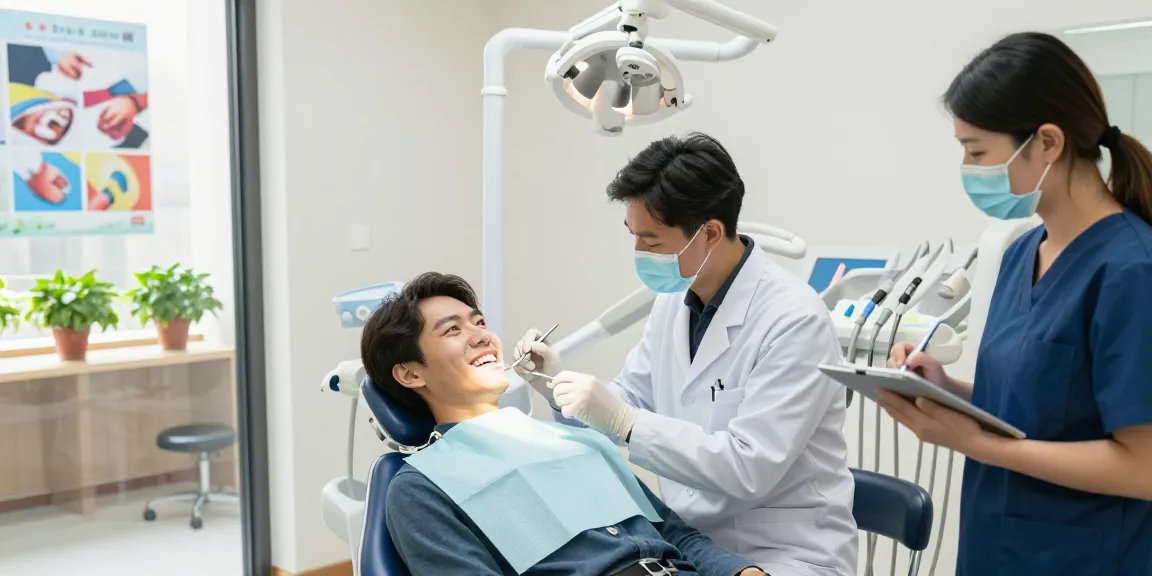
Understanding Your Dental Care Needs
Dental health is an essential component of overall well-being, and understanding your dental care needs is the first step toward achieving a radiant smile. Whether you’re experiencing discomfort or simply looking to maintain your oral hygiene, knowing what services dentists offer and selecting the right professional for your needs can make all the difference. For instance, it’s crucial to stay informed about common dental problems and ensure you are prepared for your visits. When exploring options, check out this site for a comprehensive directory of dental professionals right in your area.
What Services Do Dentists Offer?
Dentists offer a wide range of services that cater to various dental needs. These services are generally categorized into preventive, restorative, and cosmetic dentistry:
- Preventive Dentistry: This includes regular check-ups, cleanings, fluoride treatments, and sealants to prevent cavities and gum disease.
- Restorative Dentistry: Services like fillings, crowns, bridges, and root canals fall under this category, aimed at restoring the function and integrity of teeth.
- Cosmetic Dentistry: This focuses on improving the appearance of teeth, gums, and smiles through whitening, veneers, bonding, and contouring.
Identifying Common Dental Problems
Common dental problems include cavities, gum disease, and tooth sensitivity. Cavities are caused by tooth decay and can lead to more severe issues if left untreated. Gum disease, characterized by swollen and bleeding gums, can progress to periodontitis, which may result in tooth loss. Additionally, tooth sensitivity is often due to receding gums or worn enamel, making it vital to consult with a dentist if you experience pain when consuming hot, cold, or sweet foods.
How to Choose the Right Dentist for Your Needs
Choosing the right dentist involves considering several factors, including location, qualifications, and specialties. Look for a dentist with a good reputation, positive reviews, and suitable credentials. It’s also beneficial to check their approach to patient care and whether they offer the specific services you need.
The Appointment Booking Process Simplified
Understanding how to book your dental appointment efficiently can save you time and ensure that you receive the care you require without unnecessary delays. Today, many dental practices offer user-friendly online booking systems that allow you to see a dentist’s availability in real time and schedule your visit in just a few clicks.
How to Easily Schedule Your Dentist Appointment
To schedule an appointment, visit the dentist’s website or use their mobile app if available. Most platforms allow you to select your preferred time and date, making it convenient to fit dental visits into your busy schedule. Additionally, some practices offer reminders via text or email, ensuring that you never miss an appointment.
Understanding Real-Time Availability Features
Real-time availability features are designed to enhance the patient experience by providing up-to-date information regarding appointment slots. This technology allows you to see which times are open and select an appointment based on your schedule, eliminating the back-and-forth communication traditionally associated with booking an appointment.
Common Mistakes When Booking Dental Appointments
When booking dental appointments, avoid these common mistakes:
- Not verifying the dentist’s specialties — ensure they are qualified to handle your specific dental needs.
- Forgetting to check insurance coverage — confirm that the dentist accepts your insurance plan to avoid unexpected costs.
- Neglecting to ask about the cancellation policy — being informed of policies can help you plan accordingly.
Evaluating Your Dental Options
With countless dental practices available, evaluating your options is crucial for finding the best care. Understanding the differences between general and specialized dental practices can guide your decision-making process.
Types of Dental Practices: General vs. Specialized
General dentists offer a broad range of services, including routine check-ups, fillings, and preventative care. Specialized dentists, on the other hand, focus on specific areas of dentistry, such as orthodontics, periodontics, or oral surgery. Depending on your needs, you may want to choose a specialized practice that can provide targeted care.
Comparing Costs and Insurance Coverage
Dental care costs can vary significantly based on location, practice type, and complexity of services. It’s essential to compare prices and check with your insurance provider regarding coverage and out-of-pocket expenses. Many dental offices now provide estimates and payment plans to help manage costs effectively.
Reading Reviews and Testimonials for Insight
Reading online reviews and testimonials can provide valuable insights into a dentist’s practice. Look for feedback regarding staff professionalism, treatment effectiveness, and overall patient satisfaction to make an informed choice.
Maintaining Dental Health: Best Practices
Once you’ve chosen a dentist and started your treatment, maintaining your dental health should be a priority. Implementing best practices can prevent many common dental issues.
Daily Oral Hygiene Routines for Everyone
Establishing a daily oral hygiene routine is essential for maintaining healthy teeth and gums. This includes brushing twice a day with fluoride toothpaste, flossing daily, and using an antibacterial mouthwash to reduce bacteria in the mouth.
Importance of Regular Check-Ups
Regular dental check-ups are vital for detecting potential issues early. Dentists can provide essential cleanings and perform an oral examination to identify problems before they progress, ensuring proactive dental health management.
What to Expect During Your Dentist Visit
During your visit, your dentist will examine your teeth and gums, discuss any concerns, and perform necessary treatments. They may also take X-rays to assess the health of your teeth and jaw. Understanding what to expect can ease anxiety and help you prepare for your appointment.
Future Trends in Dental Care for 2026
The dental industry is continuously evolving, with new technologies and practices shaping patient care. Understanding these trends can aid in making informed decisions about your dental health moving forward.
Advancements in Dental Technology
In 2026, advancements in dental technology promise faster and more efficient treatment options. Innovations such as 3D printing for dental crowns or braces, digital imaging for enhanced diagnostics, and artificial intelligence for predictive analytics are becoming more commonplace.
Tele-dentistry: The New Normal?
Tele-dentistry is emerging as a convenient option for many patients, allowing them to consult with dental professionals remotely. This practice is especially beneficial for individuals who may have difficulty accessing traditional dental offices, as it offers guidance and care through virtual appointments.
How Patient Experience is Evolving
As patient care continues to evolve, practices are increasingly focused on improving the overall patient experience. This includes personalized treatment plans, enhanced communication, and an emphasis on comfort and convenience, ensuring that patients feel valued and understood.