
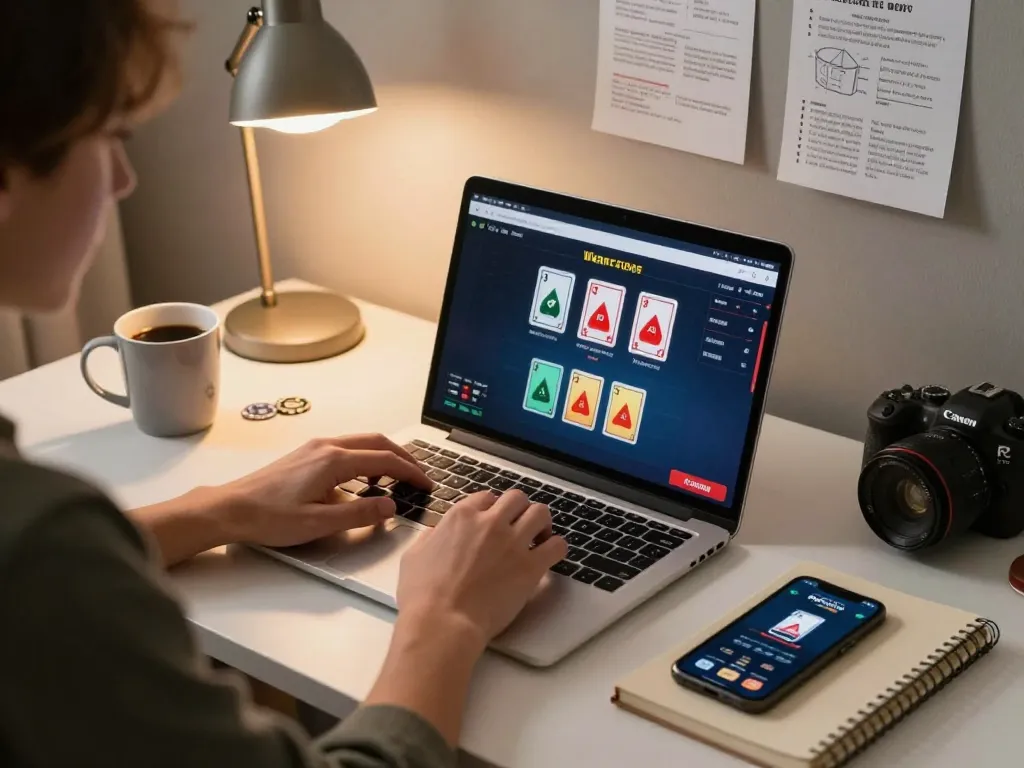
Understanding the Basics of Online Poker
Online poker is a dynamic game that blends strategy, skill, and chance, attracting millions of players worldwide. Whether you’re a newbie or a seasoned veteran, understanding the nuances of various online poker variants is crucial for success. The popularity of platforms like Jilipinas is a testament to the growing accessibility of online gaming. In this guide, we’ll explore the different types of online poker games, essential terminology, and how to set up your account effectively.
The Different Types of Online Poker Games
Online poker comes in several forms, each offering unique rules and strategies. Here are the most popular types:
- Texas Hold’em: The most common variant, where players are dealt two hole cards and must combine them with five community cards.
- Omaha: Similar to Texas Hold’em but players receive four hole cards and must use two in combination with three of the community cards.
- Seven-Card Stud: A classic variant with no community cards. Players are dealt seven cards, three face down and four face up, and the best five-card hand wins.
- Five-Card Draw: Players are dealt five cards and have the opportunity to exchange some or all of them to improve their hand.
Key Poker Terms Every Player Should Know
Understanding poker terminology is vital for effective communication and strategy development. Here are some essential terms:
- Blinds: Mandatory bets placed before cards are dealt, used in variants like Texas Hold’em.
- Flop: The first three community cards revealed in Texas Hold’em and Omaha.
- Turn: The fourth community card, revealed after the flop in Texas Hold’em and Omaha.
- River: The fifth and final community card in Texas Hold’em and Omaha.
- All-In: A bet that goes all your remaining chips into the pot.
How to Set Up Your Online Poker Account
Setting up an online poker account is straightforward. Follow these steps to get started:
- Choose a reputable online poker site, like Jilipinas.
- Register by providing basic information, including your name, email, and preferred payment method.
- Verify your identity as per the site’s requirements.
- Deposit funds via your chosen payment method.
- Start exploring the various poker games available.
Strategies for Improving Your Poker Game
As you become more familiar with poker, developing effective strategies can significantly enhance your performance. Key areas to focus on include reading opponents, managing your bankroll, and improving your skills through software tools.
Reading Opponents and Tells in Online Play
Unlike in-person poker, online players miss out on physical tells. However, online tells can manifest through betting patterns and timing. Pay attention to:
- Bet Sizing: Observe how your opponents bet in different situations to determine their hand strength.
- Timing: A quick call might indicate a weak hand, whereas a lengthy delay could represent a strong hand or a bluff.
Effective Bankroll Management Techniques
Bankroll management is essential for long-term success in poker. Here are some strategies to consider:
- Set a Budget: Determine how much money you are willing to invest in poker.
- Choose Appropriate Stakes: Play within your bankroll limits and avoid high-stakes tables until you are more experienced.
- Track Your Results: Keep a ledger of wins and losses to assess your performance objectively.
Utilizing Software Tools for Game Improvement
There are numerous software options available that can help you analyze your gameplay and track your statistics. Consider using tools like:
- Hand History Trackers: These tools allow you to analyze your previous games to identify areas of improvement.
- Equity Calculators: Useful for understanding the odds of winning versus an opponent’s range of hands.
Analyzing Odds and Probabilities
Understanding the mathematics behind poker is fundamental for making informed decisions. Grasping concepts like pot odds, implied odds, and expected value will greatly improve your gameplay.
Understanding Pot Odds and Expected Value
Pot odds compare the size of the pot to the amount you need to bet. This ratio helps you determine whether a call is profitable. For instance, if the pot is $100 and you need to call $20, your pot odds are 5:1. If the odds of hitting your cards are better than 5:1, you should make the call.
Calculating Implied Odds for Better Decisions
Implied odds take into account not only the current pot but also the expected future bets if you hit your hand. For example, if you think your opponent will bet additional money on the river if you complete your draw, take that potential into account when deciding to call or fold.
Using Probability in Betting Strategies
Integrating probability into your betting strategy is crucial. Familiarize yourself with the likelihood of drawing specific hands and incorporate this knowledge into your betting patterns. The more you understand probability, the better your strategic decisions will be.
Advanced Strategies and Tactics
Once you have mastered the basics, consider these advanced strategies to gain an edge over your opponents.
Bluffing Techniques to Master
Bluffing can be a powerful weapon when used wisely. Key factors to consider when bluffing include:
- Your table image: If you play conservatively, your bluffs are more likely to be believed.
- Board texture: A dry board may be more conducive for bluffing compared to a wet board.
Adaptation to Opponent Playing Styles
Every player has a unique style. Adapt your strategy accordingly by observing their tendencies. For example:
- Aggressive Players: Find spots to trap them instead of engaging in their aggressive tactics.
- Passive Players: Be more aggressive against them since they are less inclined to raise.
Utilizing Position to Your Advantage
Your position at the table significantly influences your strategy. Use late position to your advantage by playing more hands, allowing you to see how opponents act before you make your move.
Responsible Gambling Practices
As exciting as poker can be, it is important to approach it responsibly. Here are some practices to stay within safe boundaries while enjoying your gaming experience:
Setting Limits and Recognizing Problem Gambling
Before playing, set clear limits on time and money. Recognize the signs of problem gambling, such as chasing losses or gambling with money you can’t afford to lose. Gambling should be an enjoyable hobby, not a source of stress.
Using Tools for Responsible Play on Jilipinas
Many online poker platforms offer features that help promote responsible gambling. Utilize tools such as:
- Deposit Limits: Control how much you can deposit over a specific timeframe.
- Self-Exclusion: Temporarily suspend your account if you feel the need to take a break.
Finding Support and Resources for Gamblers
If you or someone you know is struggling with gambling, seek help from professional organizations. Many resources provide guidance and support to ensure gambling remains a safe and enjoyable activity.